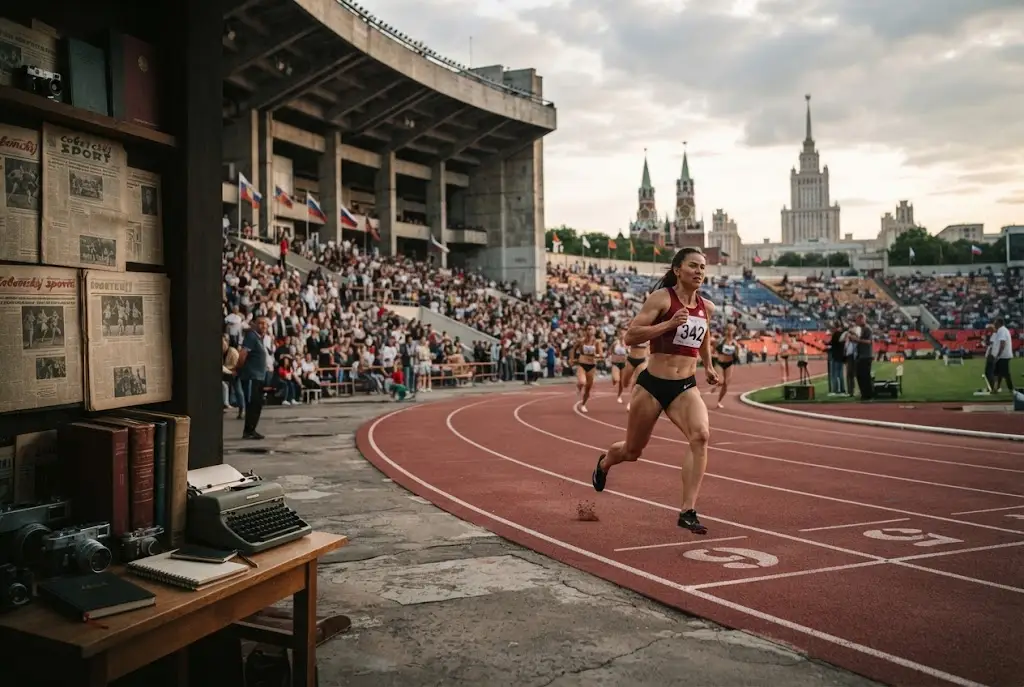
Whether you are heading to the gym, taking a fitness class, walking, stretching, or building a casual athleisure outfit, choosing the right sports bra starts with understanding fit, support, fabric, movement, and personal comfort. This guide explains what to look for and how to evaluate a BCG sports bra before making it part of your workout wardrobe.
What Makes a Sports Bra Worth Considering?
The best sports bra for one person may not be the right choice for another. Workout intensity, body shape, personal preferences, and the type of movement involved all affect what you need from activewear.
A practical sports bra should ideally provide a secure fit without feeling unnecessarily restrictive. It should also allow your shoulders and upper body to move naturally during exercise. These considerations become especially important when you switch between different activities throughout the week.
For broader context, you can explore fitness and aquatics activities as well as other sports and athletic experiences when thinking about the different demands placed on workout clothing.
BCG Sports Bra and Everyday Workout Comfort
Comfort is one of the first things to evaluate when choosing a sports bra. A garment can look appealing but still become distracting if the straps, band, seams, or overall fit do not work well for your body.
When evaluating a BCG sports bra, pay attention to how the band sits around your torso. It should feel secure while allowing comfortable breathing and movement. The shoulder straps should also stay in place without creating excessive pressure.
Comfort becomes even more important during longer training sessions. A workout that includes walking, cycling, stretching, strength exercises, or fitness classes can involve repeated upper-body movement, making fit an important part of the overall experience.
Choosing the Right Level of Support
Sports bras are generally selected according to the amount of movement involved in an activity. Low-impact activities may require a different level of support than running, jumping, or high-intensity training.
Low-Impact Activities
For activities such as gentle stretching, yoga, walking, or certain mobility-focused sessions, many people prioritize flexibility and comfort. A less restrictive design can make movement feel more natural.
If you are building a fitness routine around different activities, resources such as indoor fitness and swimming can provide useful inspiration for varying your workouts.
Moderate-Impact Workouts
Moderate-impact activities can include faster-paced fitness classes, cycling, strength training, and other workouts involving repeated movement. Here, stability becomes more important alongside comfort.
A suitable sports bra should help you feel secure without making normal movement unnecessarily difficult. Consider the combination of band fit, strap placement, coverage, and overall construction rather than focusing on one feature alone.
Higher-Impact Exercise
Running, jumping, court sports, and other high-movement activities generally call for more support. If you plan to use a BCG sports bra for these workouts, check its actual product specifications and fit carefully before relying on it for high-impact exercise.
The same principle applies to other sports equipment. For example, anyone participating in motorcycling should think about protection as carefully as comfort when choosing dual-sport helmets.
Fit Matters More Than the Label
Sports bra sizing can vary between brands and styles, so relying only on your usual clothing size is not always enough. Check the product’s available size information and compare it with your measurements whenever those details are provided.
A properly fitted sports bra should feel secure but should not cause obvious discomfort. Watch for signs such as straps digging into the shoulders, excessive movement around the band, uncomfortable compression, or fabric bunching.
- Band: Look for a secure but comfortable feel around the torso.
- Straps: They should remain comfortably positioned during movement.
- Coverage: Make sure the design provides the level of coverage you prefer.
- Movement: Test whether you can raise, rotate, and move your arms naturally.
- Comfort: Consider how the garment feels after extended wear, not only when first put on.
Fabric and Breathability
The fabric used in activewear can influence how comfortable it feels during exercise. Depending on the construction, a sports bra may be designed to prioritize stretch, softness, moisture management, breathability, or a combination of these characteristics.
When shopping for a BCG sports bra, review the actual fabric composition and care instructions supplied with the specific product. Avoid assuming that every style under the same brand or name has identical materials.
Care is also part of activewear performance. Following the garment’s washing and drying instructions can help preserve its shape and fit over time.
Style and Layering Options
A sports bra can function as both performance clothing and part of a casual athletic wardrobe. Depending on the design, it can be worn beneath a workout top, layered with a lightweight shirt, or incorporated into a coordinated athleisure look.
Style does not need to come at the expense of function. The most useful choice is usually the one that fits your activity, personal comfort preferences, and existing wardrobe.
If fashion is an important part of your activewear choices, you may also enjoy exploring fashion trends and wardrobe ideas or reading about fashion and cultural style.
BCG Sports Bra for Different Workout Routines
One reason sports bras remain a staple of activewear is their versatility. Your weekly routine may include several different forms of exercise, and each one can place different demands on clothing.
Gym Workouts
Strength training and general gym sessions often involve bending, reaching, pressing, pulling, and other upper-body movements. A sports bra that stays comfortably in place can help reduce distractions during a session.
If you are also researching home fitness equipment, take a look at fitness equipment options as part of a broader home workout setup.
Walking and Cardio
Walking and cardio sessions can vary greatly in intensity. For lighter routines, comfort and freedom of movement may be particularly important. More vigorous cardio may require additional stability.
Swimming and Aquatic Fitness
A sports bra is not automatically a substitute for swimwear. If swimming or aquatic exercise is part of your routine, choose clothing specifically designed for water-based activity.
For example, the Woodloch Sports Complex article provides additional context about fitness and aquatic activities without treating regular workout clothing as swimwear.
Team and Recreational Sports
Team sports can involve quick changes of direction, running, jumping, and repeated upper-body movement. If you plan to wear a sports bra for these activities, support and stability should be considered alongside comfort.
You can also explore team sports and sporting equipment for additional ideas when building an active lifestyle.
How to Choose a BCG Sports Bra
Instead of choosing solely because of appearance, use a simple checklist before buying:
- Identify your main activity. Decide whether you need the bra primarily for low-, moderate-, or high-impact exercise.
- Check the size guide. Use the manufacturer’s available measurements rather than guessing.
- Review materials. Check the actual fabric composition and care instructions.
- Consider coverage. Choose a shape and neckline that suit your comfort preferences.
- Think about layering. Decide whether you want to wear it alone or underneath workout clothing.
- Read the product details. Verify any claims about support, construction, or intended activity from the specific product listing.
Comfort, Performance, and Personal Preference
There is no single sports bra design that works perfectly for everyone. Some people prefer a close, supportive fit, while others prioritize flexibility and a lighter feel.
Your workout routine should therefore guide your choice. Someone focused on yoga may approach sports-bra shopping differently from a runner or someone who regularly participates in court sports.
The wider sporting world offers plenty of examples of how equipment choices depend on activity. From athletic traditions and sports to modern recreational activities, equipment should match the demands of the activity rather than simply its appearance.
Building a Practical Activewear Wardrobe
A useful activewear collection does not have to contain dozens of similar pieces. Instead, consider building a small selection around the activities you actually perform.
A rotation might include sports bras with different support levels, comfortable workout bottoms, breathable tops, and activity-specific footwear. Having several options can also make it easier to match clothing to different workout intensities.
Accessories and equipment can be selected in the same practical way. For example, a sports bra serves a different purpose from protective sports equipment, while products such as a pool table belong to an entirely different recreational setting.
Common Mistakes to Avoid
- Choosing by appearance alone: A stylish design is useful only if the fit also works for your activity.
- Ignoring the size guide: Brand sizing can differ, so check the available measurements.
- Using one bra for every activity: Different workouts can require different support levels.
- Overlooking care instructions: Incorrect washing or drying can affect activewear over time.
- Assuming every style is identical: Materials, construction, and support can vary between individual products.
Frequently Asked Questions
What should I look for in a BCG sports bra?
Focus on fit, support, comfort, coverage, fabric, strap placement, and the type of workout you plan to perform. Always check the specific product details before purchasing.
Can I wear a sports bra for everyday activities?
Yes. Many people use sports bras for everyday comfort, casual outfits, walking, and other non-workout activities. The best choice depends on your preferred fit and level of support.
How do I know if a sports bra fits correctly?
The band should feel secure without being painfully tight, the straps should sit comfortably, and the garment should remain in place when you move. Excessive pinching, slipping, or uncomfortable compression can indicate that the fit needs reconsideration.
Should I use the same sports bra for running and yoga?
Not necessarily. Running typically involves more repetitive impact than yoga, so you may prefer a different level of support for each activity.
How should I care for a sports bra?
Follow the care instructions provided for the specific garment. Proper washing and drying can help maintain the fabric, shape, and fit.
Final Thoughts
A BCG sports bra can be considered as part of a practical activewear wardrobe when its fit, support, construction, and intended use align with your workout routine. Instead of focusing on the name or appearance alone, evaluate the details that affect how the garment performs during actual movement.
Whether your routine centers on gym sessions, walking, fitness classes, recreational sports, or a combination of activities, the right sports bra should support your routine without becoming a distraction. Start with your activity, understand your preferred fit, check the specific product information, and choose accordingly.